Blog
How to tube feed young calves
Tube feeding calves is a critical practice in ensuring the health and survival of newborn calves, particularly in situations where they are unable to nurse adequately on their own. Colostrum is rich in antibodies and essential nutrients that provide passive immunity and support early development. Ensuring that calves receive colostrum within the first few hours of life is paramount as it enhances their resistance to diseases and sets a foundation for robust growth.
What is Tube Feeding?
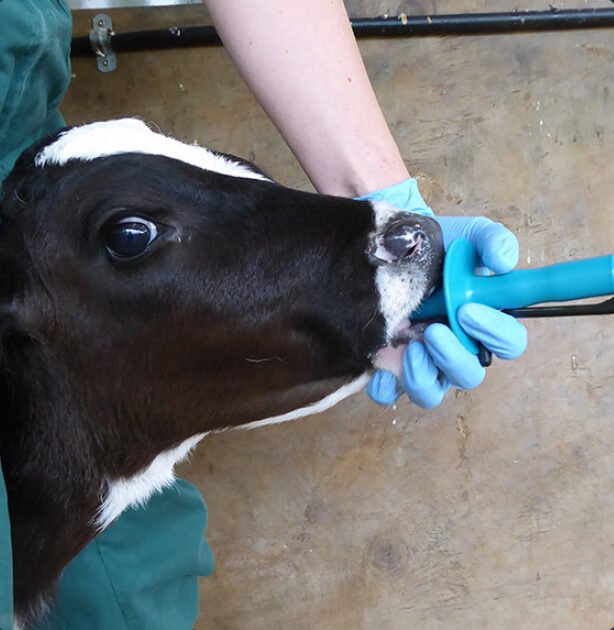
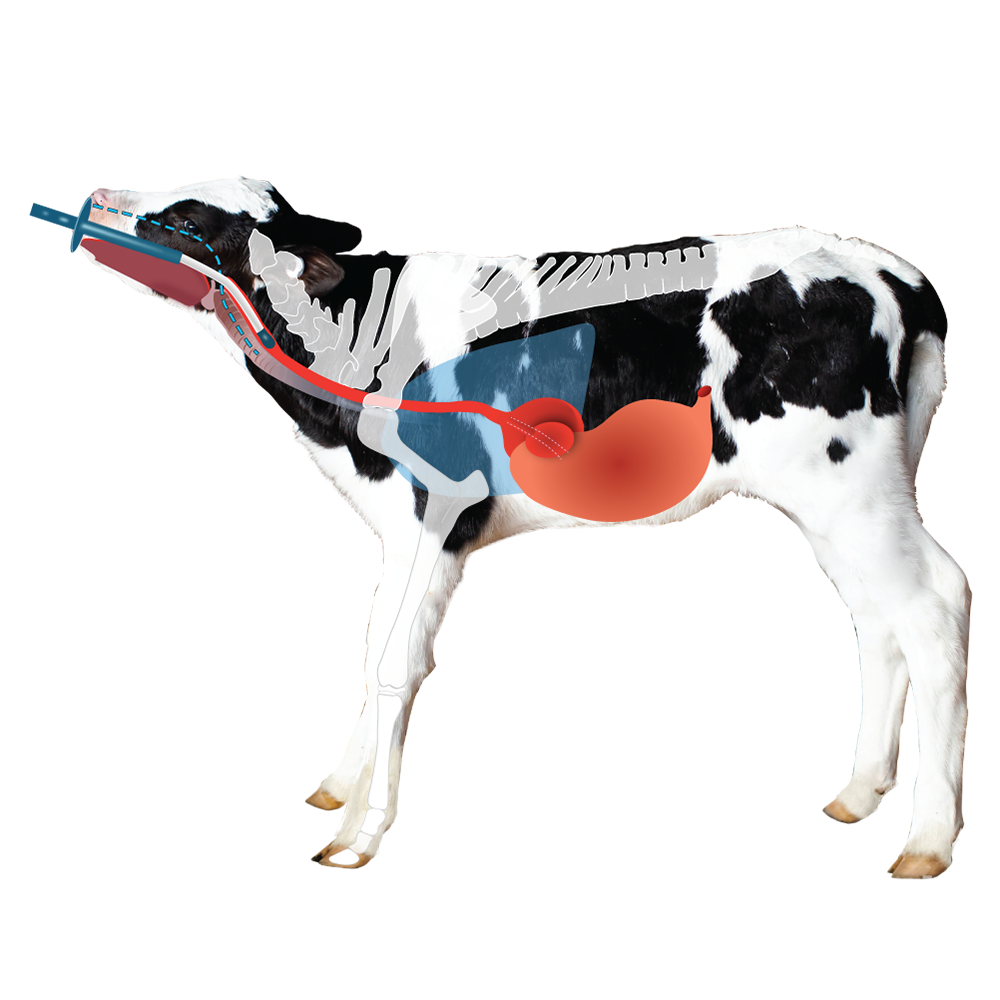
Tube feeding involves the insertion of a flexible tube through the calf's mouth, down the esophagus, and into the stomach. This method is used to deliver colostrum, milk, or other nutritional supplements directly to the stomach when a calf is unable or unwilling to nurse naturally. Tube feeding is a controlled and efficient way to ensure that calves receive the necessary nutrients and antibodies during the critical early hours and days of life.
When is Tube Feeding Needed
Tube feeding is necessary under several circumstances:
- Weak or Unresponsive Calves: Newborns that are too weak or unresponsive to nurse naturally.
- Poor Suckling Reflex: Calves that do not exhibit a strong suckling reflex within the critical first hours.
- Separation from the Dam: When the mother is unavailable, uncooperative, or incapable of feeding the calf.
- Health Issues: Calves born with health complications or those who are at risk of not receiving adequate nutrition.
Recognizing these situations promptly ensures timely intervention and minimizes the risk of mortality and long-term health issues.